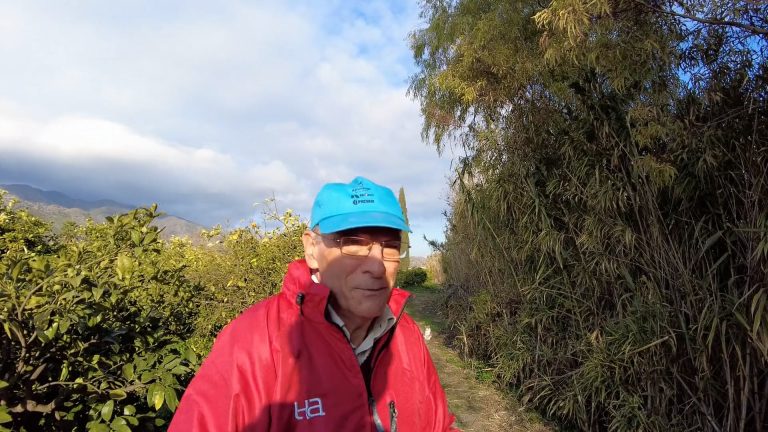
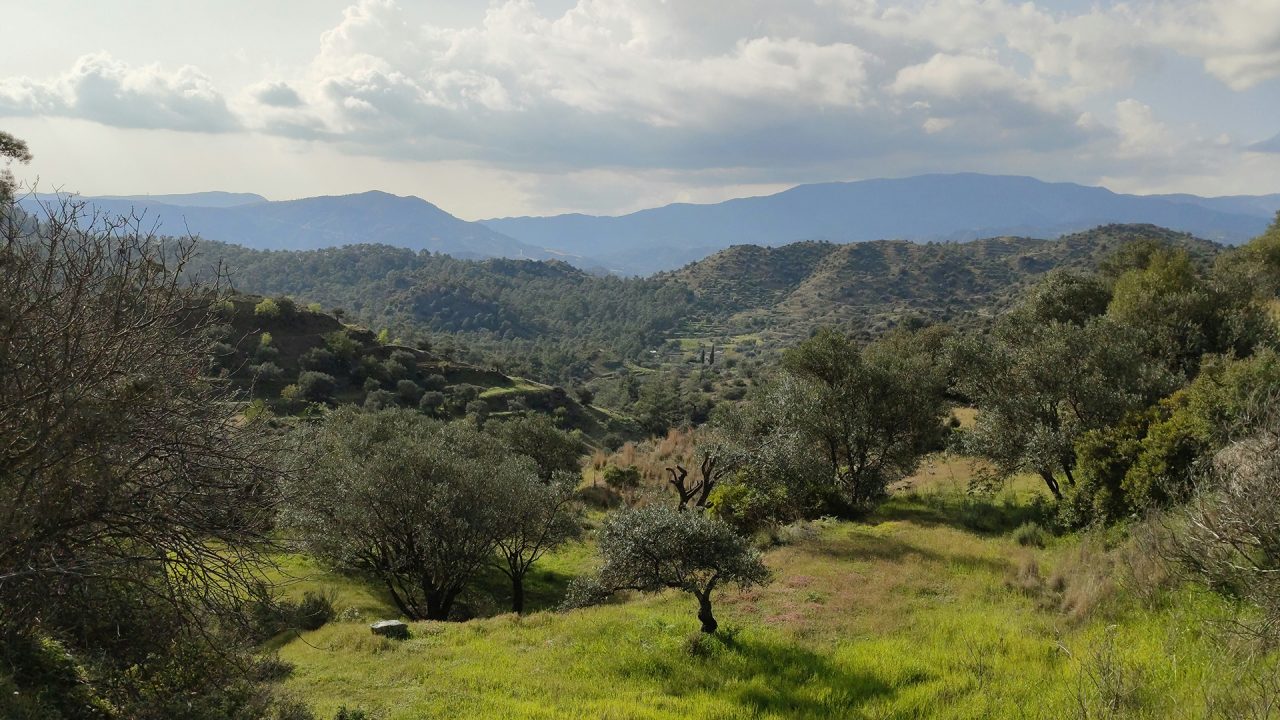
I am lucky enough to live in Andalusia, in Southern Spain, where I work with an amazing group of small farmers with whom I founded a cooperative, Tierra y Libertad. Our aim is not just to support small scale organic farmers financially, by selling their products at a fair price, but to support the whole fabric of rural society, to contribute to the regeneration of the cultural part of agri-culture, as well as the ecological and productive parts.
As in most places in Europe, traditional agriculture, and the unique landscape, architecture, food, and people that emerge from the combination out of the climate and topography of each place, are in serious, if not terminal, decline.
So what? Well, I suppose this wouldn’t be an issue if we were replacing these things with something better. If our agricultural systems were more sustainable and productive than those of previous times, if the architecture was more beautiful and functional, the food more delicious and nutritious, and the people happier and healthier. It won’t surprise you to know that I don’t believe that is the case. In fact, in all aspects I believe it’s the contrary.
You could argue that these measures are all subjective, and perhaps some of them are. However, on the question of the sustainability of the current agricultural system in Andalusia, there is no doubt: it is, across all significant measures, not just unsustainable but in many areas close to collapse. The industrial model of mining resources (in this case soil and water) and turning them into commodities to extract value from (in this case fruits, vegetables and olive oil) is nearing its logical conclusion: resource depletion, followed by abandonment and/or collapse of the system. This process is further along in some places than others, but the pattern is the same across the (commercially) productive agricultural landscapes of Andalusia.
But this is not a doom and gloom blog; we have enough of them. From my experience with the farmers of Tierra y Libertad, and others practising regenerative agriculture across Europe, I know that another way of producing food is possible. Call it regenerative agriculture if you wish. But for me that is not a broad enough term. Because what all these farmers who are really implementing regenerative agriculture on their farms are doing is regenerating their (and our) cultures through the only way I believe that it is possible to do so: producing what every single person in their community needs — food.
Here in Andalusia, people have been producing food — farming — for a long time, at least 4000 years. The Phoenicians came about 3000 years ago, the Romans just over 2000 years ago, and the Moors about 1300 years ago. Many of the settlements have been in more or less continuous habitation since at least the Phoenicians, and while it’s harder to prove, many of the rich agricultural areas have been farmed since at least the Romans, and most of them since the Moors. The Moors in particular were amazing farmers, whose irrigation systems are still in use, including by one of Tierra y Libertad’s farmers 1000+ years after it was built!
The Moorish culture in Andalusia, which flourished for centuries, had as its foundation an advanced and sustainable agricultural system centred in particular around the intricate systems of irrigation channels they built and maintained wherever there was water, the most precious of resources in this dry climate. Many of the places the Moors farmed, the Romans had farmed before them and the Christians farmed after them. It is this agricultural lineage, a history of more or less continuous agricultural production for 20+ centuries, that the name of my blog refers to. Of course, it is also a nod to one of the seminal books on sustainable agriculture, Farmers of 40 centuries, by F.H.King.
This blog is my journey searching for the stories of these farmers of 20 centuries here in Andalusia and across Europe. It’s not primarily about agricultural techniques, nor Andalusian history, rural economics or peasant society, although it will touch on all these themes. Mostly, I wish to share the stories that I come across that inspire me, stories that relate, however obtusely, to the regeneration of our (agri)culture. Most importantly they are stories about people growing, preparing and eating food. Stories about farming. Stories about farmers of the last 20 centuries. Stories about farmers laying the foundations for the next 20 centuries.
Sign up to our Newsletter
We regularly post stories about the work of our members and the history of farming in Spain. If you would like to hear more of those stories, sign up to our email newsletter.
Before sending, please have a read of our privacy policy.
Building relationships
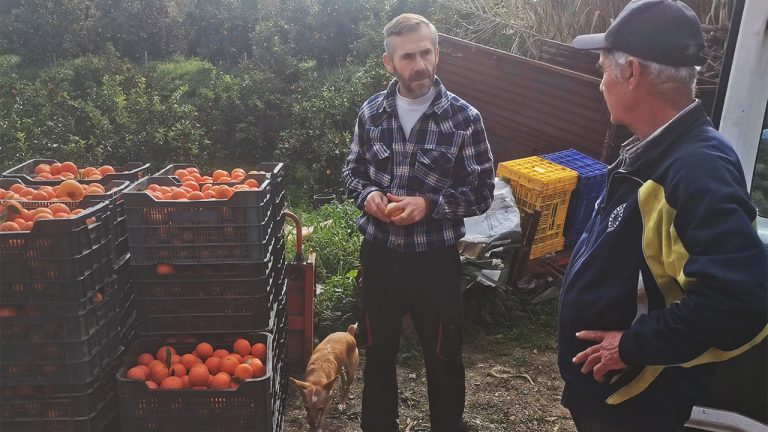
Paco Bedoya’s farm
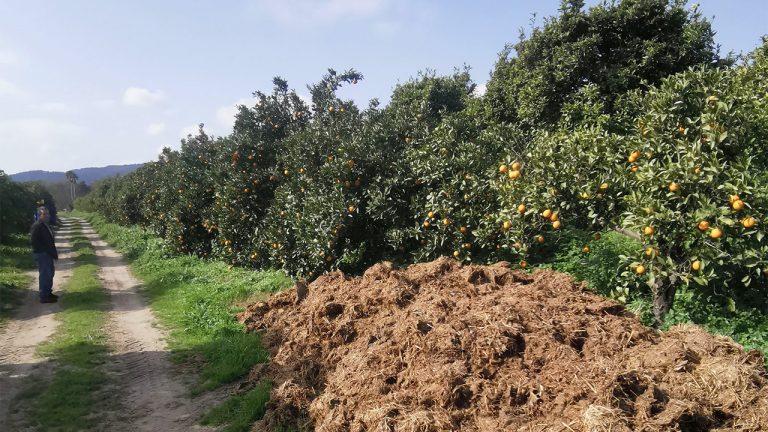
Pedro Castellar de la Frontera
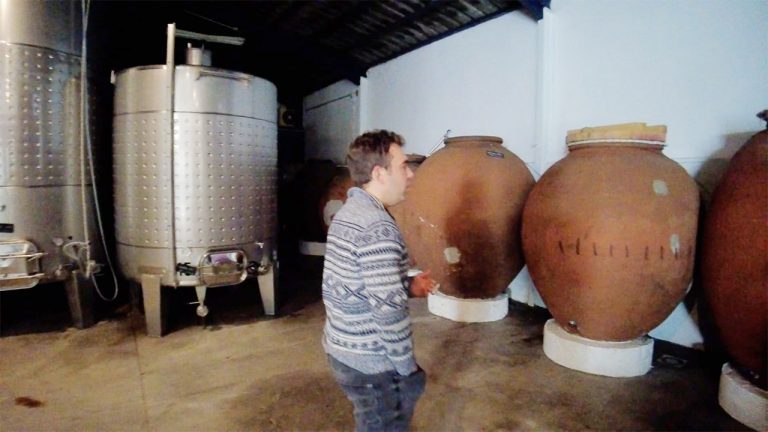
The amphorae of Tierra Savia
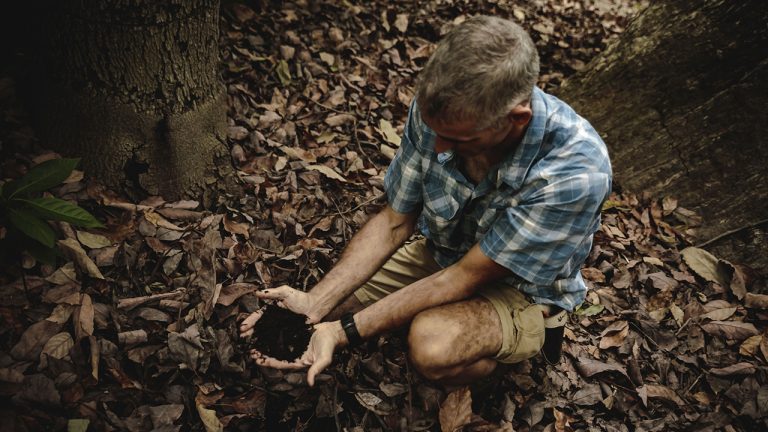
The search for new farmers for Tierra y Libertad