Transcript:
When we came here we said... we have to conserve the old varieties and the old forms of making wine. So we started looking in the old bodegas and at every site we found... for example, you remember that man in Blanco-Morenos? We asked this man:

"Do you have amphoras like this?"
"Yes."
"How are they?"
"I think they are okay."
"Great. Then we will take them. We will buy them."

And so we bought them and we brought them here.

There were some that we had to repair. On the inside we put bees wax. And we said to ourselves: we want to make wine using old varieties, old techniques in old storage vessels. But not just to do it for its own sake. Because in reality, to make wine in this is really different to making wine in that for example.

If you put wine, the white wine we make - for example Mirlo - in that the wine doesn't breathe at all; it's in stainless steel. But here, the amphoras let in air. They are made with soil from here...

You know these amphoras are really old. This one for example, on each amphora they put their sign and on this one they also put a date. Sixteen-hundred and forty-eight. That's the era when they began putting vines here, the 17th century. The 16th to 17th century. It's really old!

Aging the wine, it's like in a barrel. It's like injecting mini doses of oxygen. It totally changes the wine. The oxygen enters and totally changes the wine. It doesn't add any flavours. It doesn't bring any flavours. For example when you put wine in here it gives the flavour of wood. But not in here.

So what we wanted to do was take the local varieties, make them in a pure way that doesn't impart any flavour, and do it all in the ancient vessels, like they did in the past.

Apart from recovering old flavours, old aromas, we really like the idea that the old people told us the white varieties were made using the skin of the grape. And they did it this way because it's a very easy way to do it - and because it gives much more body to the wine... instead of it being such a soft wine, we have a little more body, that's why we do it this way.
Sign up to our Newsletter
We regularly post stories about the work of our members and the history of farming in Spain. If you would like to hear more of those stories, sign up to our email newsletter.
Before sending, please have a read of our privacy policy.
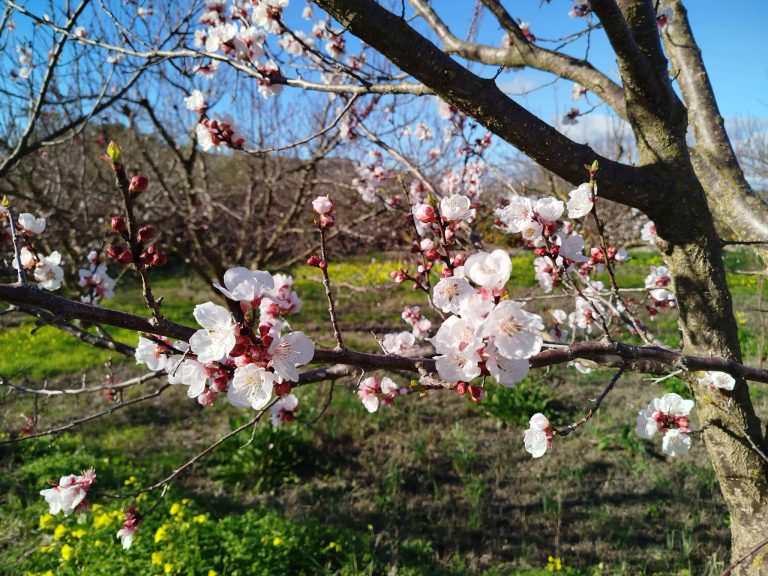
Spring in the Guadalhorce Valley
The apricot trees are already in bloom. I don't expect a great harvest this year either, as it is a semi-desert tree and excess winter rain reduces its production. I ...
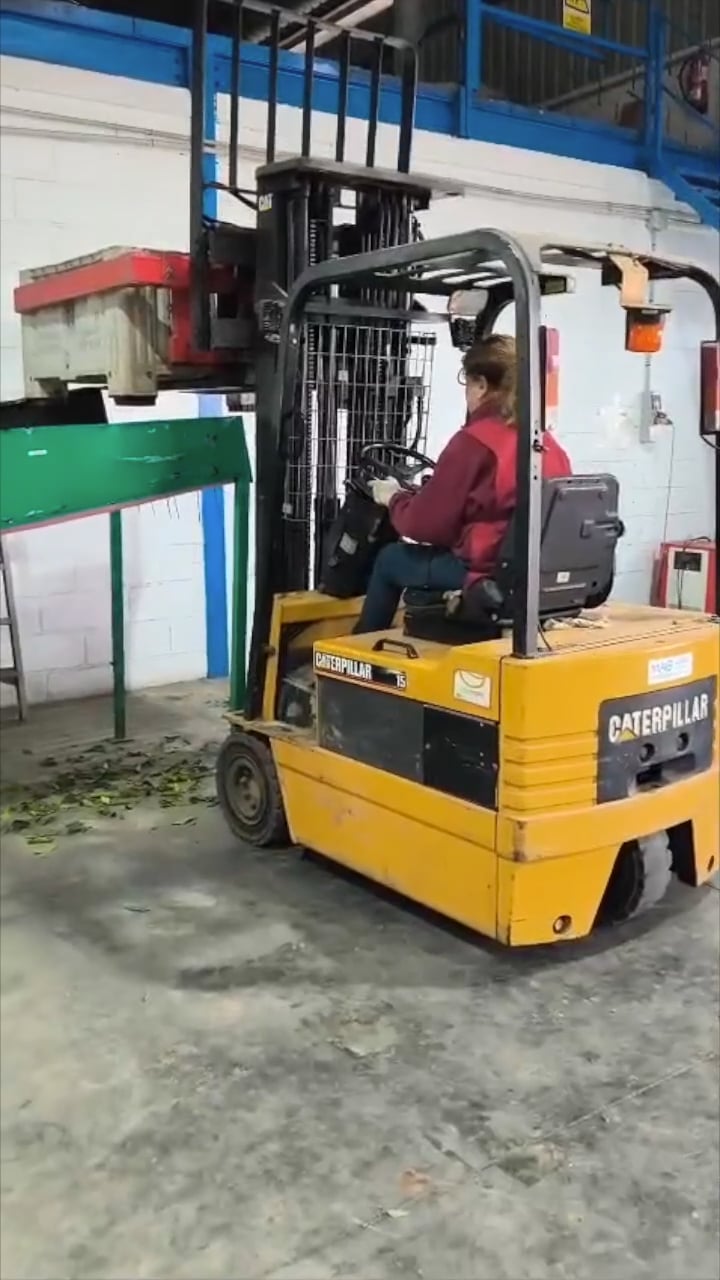
Interview with Montse (Biovalle) on International Women’s Day 2026
What is your personal relationship with organic farming? Why do you do this work every day? Montse: My relationship with organic farming is personal, as I got to know it ...
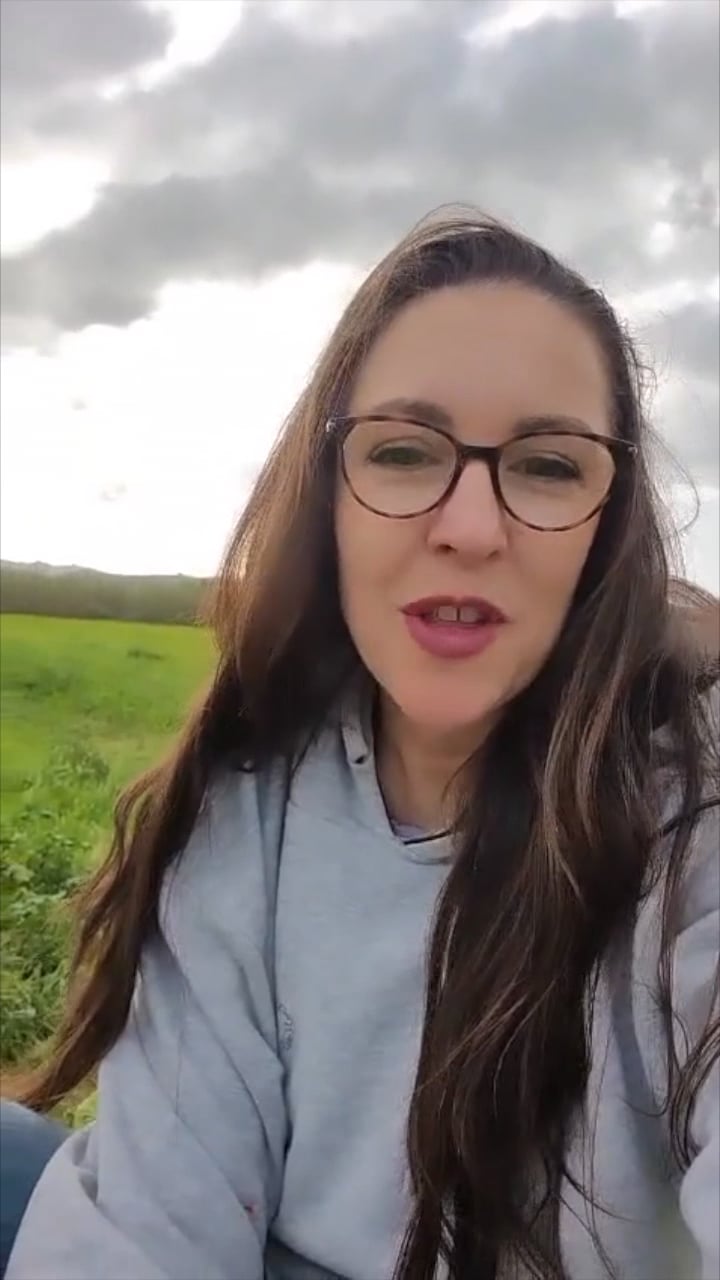
Reyes’ momentum on International Women’s Day, 8 March 2026
Transcript: Hello from Spain, here from Málaga. Well, I just got home from work, it's 5 o'clock, we haven't had lunch yet, but Yuli asked me to send a short ...
Brief history of our table olives
A journey into the past Who wants to travel through time? Observe the hustle and bustle near the Bastille, listen to Lope de Vega speak in person, or sweep the ...
Building relationships
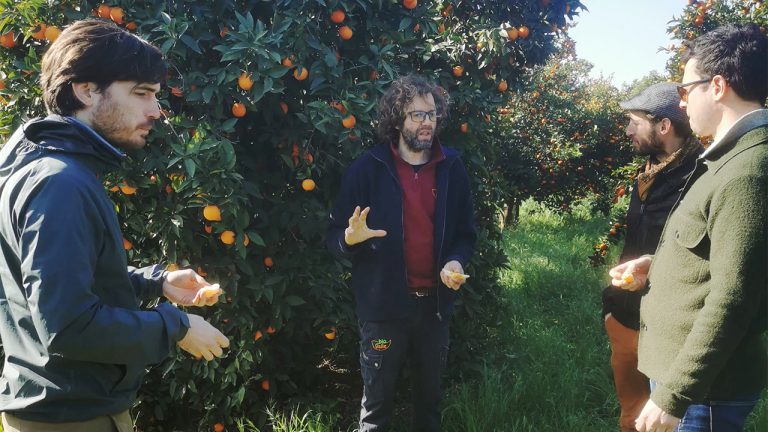
Tierra y Libertad has always been based around relationships. The relationships between the farmer and their farm and the local community and the relationship between the farmer and those who ...
Paco Bedoya’s farm
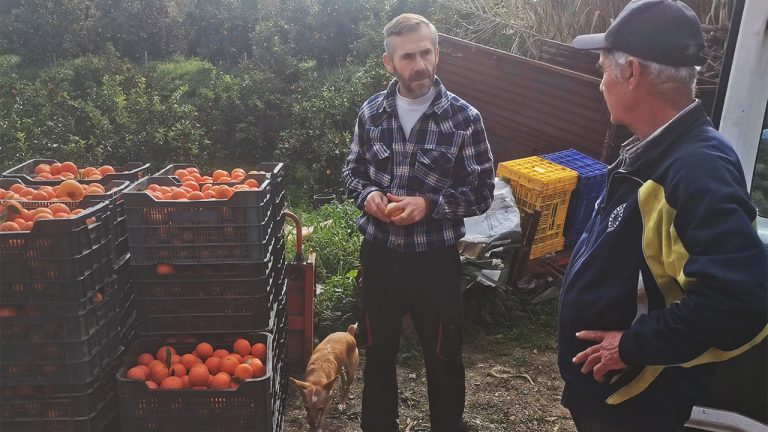
I love visiting Paco Bedoya’s farm for two reasons. The farm itself is wonderful, a kind of jungle of citrus trees, fruit hanging everywhere, birds chirping, a luxurious green ground ...


