Story told by Jose González on Decemeber 14th 2021, edited and translated from the Spanish original.
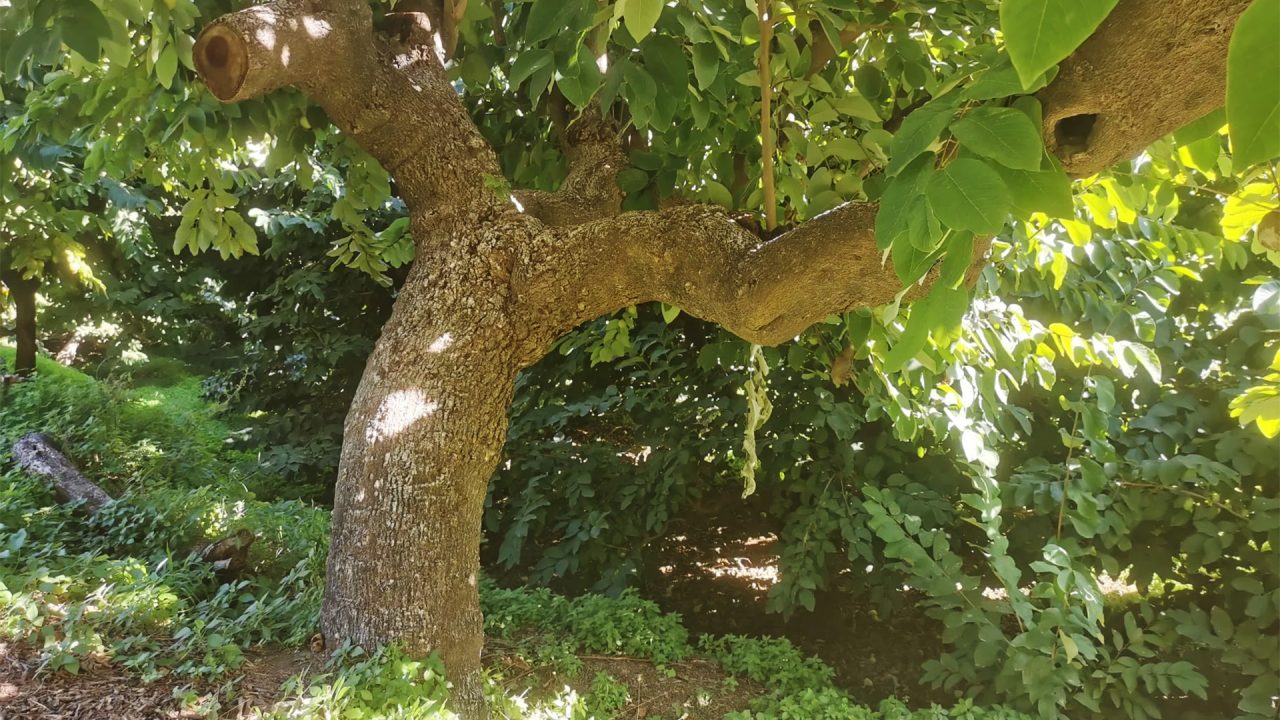
My paternal grandfather, when he was a kid, he would come with his father on a mule to cultivate the land. The land was cultivated from top to bottom with sugar cane. The land wasn’t owned by my grandfathers father, he was an agricultural day labourer. Each day when they stopped to eat, they would eat under the shade of the custard apple tree.

We are talking about when he was a kid, the beginning of the 20th century, and the custard apple tree was already big, because it gave a lot of shade, a lot of people could eat under its shade. So the custard apple tree is definitely from the 19th century. Exactly from when I don’t know, I never asked him. And the funniest thing, or the best thing, about this custard apple tree is that it is the tree which now produces more then all the other custard apple trees who are much younger! Ha Ha!

How else do we know this tree is so old? Because it’s coming out of a stone wall! It was impossible in this spot to cultivate sugar cane. Here probably sprouted a seed from a custard apple some one spat out. When it grew a little someone saw it and grafted on this particular variety to the trunk, and here it is now. Above us they cultivated sugar cane, below us they cultivated sugar cane, and here in the middle where they couldn’t, here is the custard apple tree! It’s like I always say about what grows spontaneously — what doesn’t hurt, helps!

My grandfather told me this story more than once. But I think I have told it many more times than he did! I find it really beautiful to have trees, fruit trees, that are so old. In a tree that doesn’t give fruit it’s normal to be this old or even much older, but in a fruit tree it’s not normal, to have a fruit tree this old is not normal at all.

And don’t forget, its a lot of work to have such a huge tree. You have to climb to the top. You have to get in the tree 12 times per year! 8 times to harvest, 3 times to pollinate and once to prune. So it’s a huge amount of work each year.

But it’s wonderful. The tree is priceless. Today, doesn’t matter what fruit you grow, most fruit is grown in rows in the espalier system. They keep the trees small because they are more productive, easier to work, easier to mechanise. That is the antithesis of this. Totally opposite.

What’s preferable? Each person has to say for themselves. I’ll keep this.
Sign up to our Newsletter
We regularly post stories about the work of our members and the history of farming in Spain. If you would like to hear more of those stories, sign up to our email newsletter.
Before sending, please have a read of our privacy policy.
Building relationships
Tierra y Libertad has always been based around relationships. The relationships between the farmer and their farm and the local community and the relationship between the farmer and those who ...
Paco Bedoya’s farm
I love visiting Paco Bedoya’s farm for two reasons. The farm itself is wonderful, a kind of jungle of citrus trees, fruit hanging everywhere, birds chirping, a luxurious green ground ...
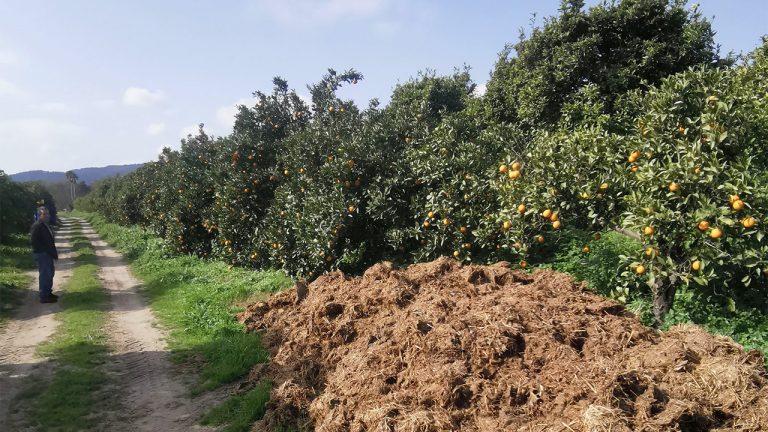
Pedro Castellar de la Frontera
Driving around Andalusia visiting the farmers of Tierra y Libertad I am constantly struck by the diverse landscapes. It’s true that Andalusia is big – at 87,268km2 it is bigger ...
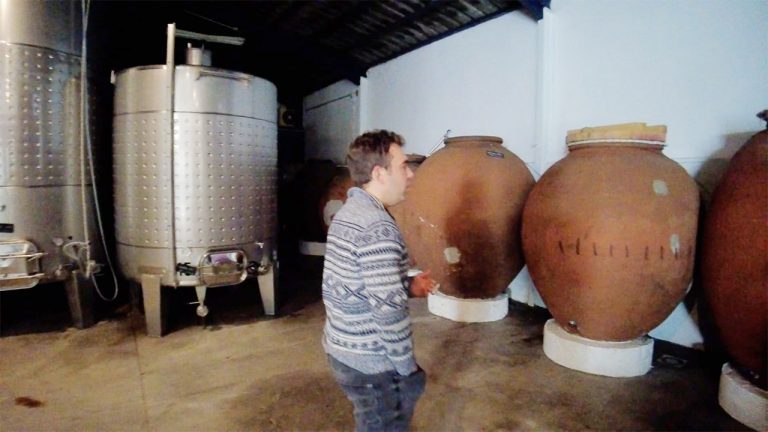
The amphorae of Tierra Savia
Transcript: When we came here we said... we have to conserve the old varieties and the old forms of making wine. So we started looking in the old bodegas and ...
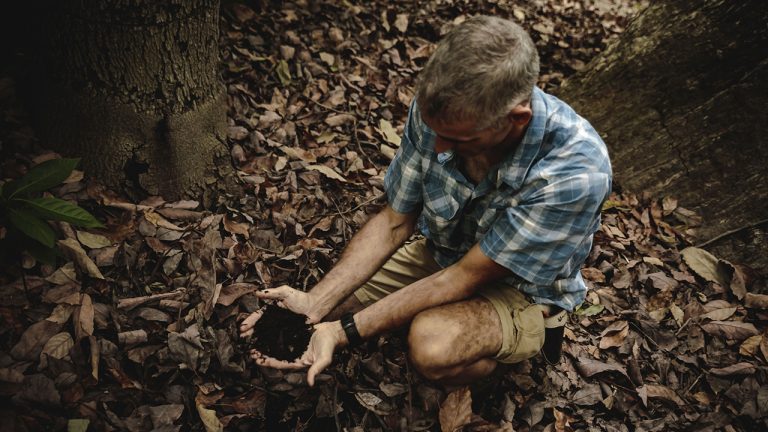
The search for new farmers for Tierra y Libertad
I have spent some of the last couple of weeks visiting possible new farmers to join us at Tierra y Libertad. It has been inspiring, but also a much more ...
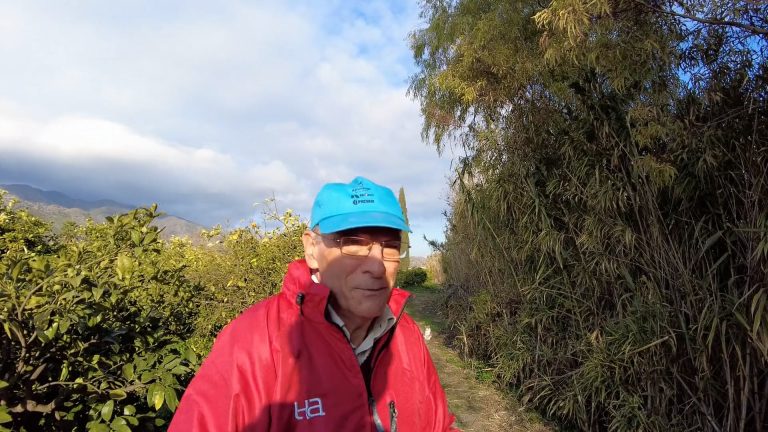
Paco Gonzalez takes his granddaughter fishing
Here is Paco Gonzalez telling a nice story about his granddaughter and the Guadalhorce river. Transcript: This is the Guadalhorce. The river never overflows here, historically it never overflowed on ...


