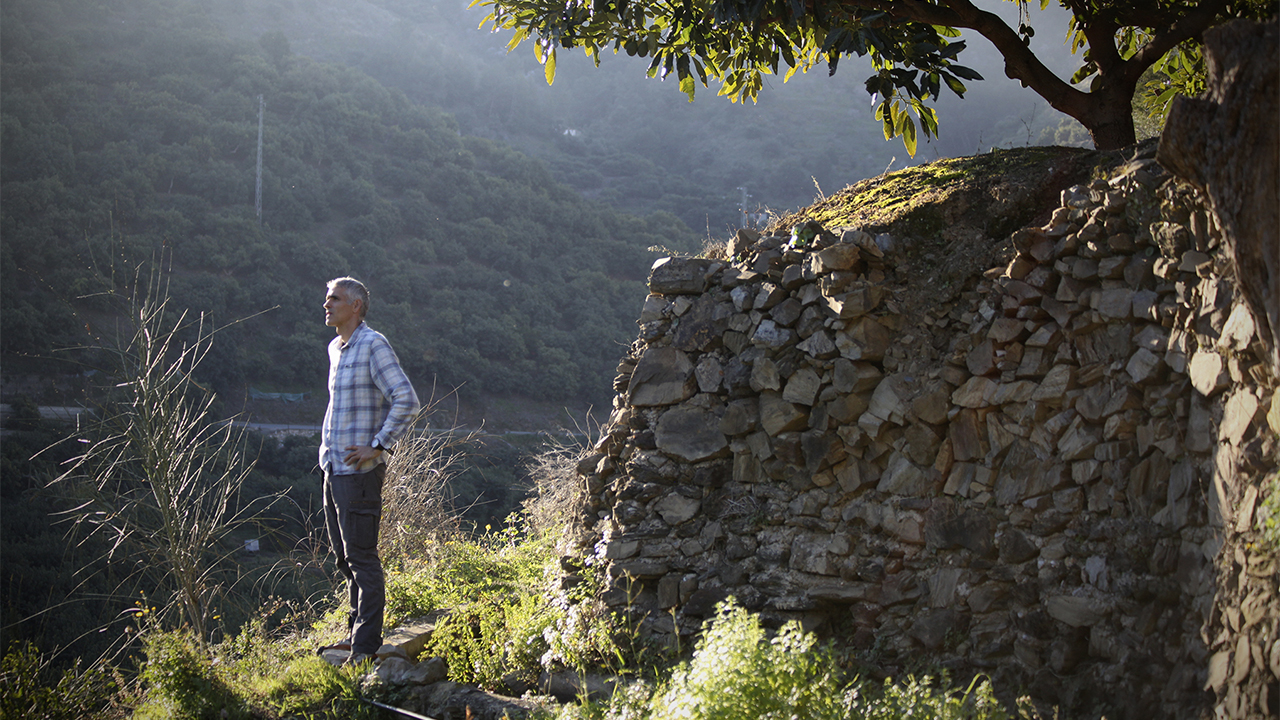
A living countryside. A vibrant rural culture. A beautiful agro-ecological landscape. All good things that most people, whether urban, suburban or rural, would like to see. Yet, almost everywhere we look in Europe, the opposite is happening: as the young leave, the life of the countryside is not able to regenerate itself, the rural culture is lost as the older generation passes and the agro-ecological landscape becomes increasingly degraded as farms get ever bigger and more industrialised.
For José González, a small scale fruit grower in South Eastern Andalusia, the answer is simple – the key is farm profitability: “People are always talking about the ’emptying Spain’ these days. That we have to put wifi in the villages, that we have to install DSL or fibre optic…. That’s not the key. The key is that the people who live in the villages really live there. Nothing more. Therefore we have to maintain the small scale producers.

On José’s 10 hectares of fruit trees he employs 3 full time workers, and his wife Miriam works full time on sales and administration. José has deliberately organised his farm so that he is able to employ his staff year round and pay them a decent wage. While he admits that this is easier done with this sort of high value fruit production than say broad scale cereal growing, the principles are the same for him.
As Jose says, everything “depends on the work environment. If the farmer treats his employees well, if he allows them to take initiative, to have responsibility, a decent salary, then the employees stay.” Things that seem obvious, but in the world of farm workers unfortunately things that are very often lacking. José adds that the test to see if the farmer is doing these things well is if his employees stay year after year, and he is proud to point out that his “have worked many years here with me”.
Of course, to even have employees the business needs to have a sound financial footing. As José reminds us, farming is hard work, but “it’s harder if it’s not profitable.” And in the long term, if the children of farmers see nothing but hard work and nothing to show for it, they will “leave for university, and they won’t come back. But if you have a profitable farm which allows you to have a decent life, there is a much greater chance that your children will stay living in the countryside. That’s the key. There are not other factors here – the key is making a decent living. Nothing more.”
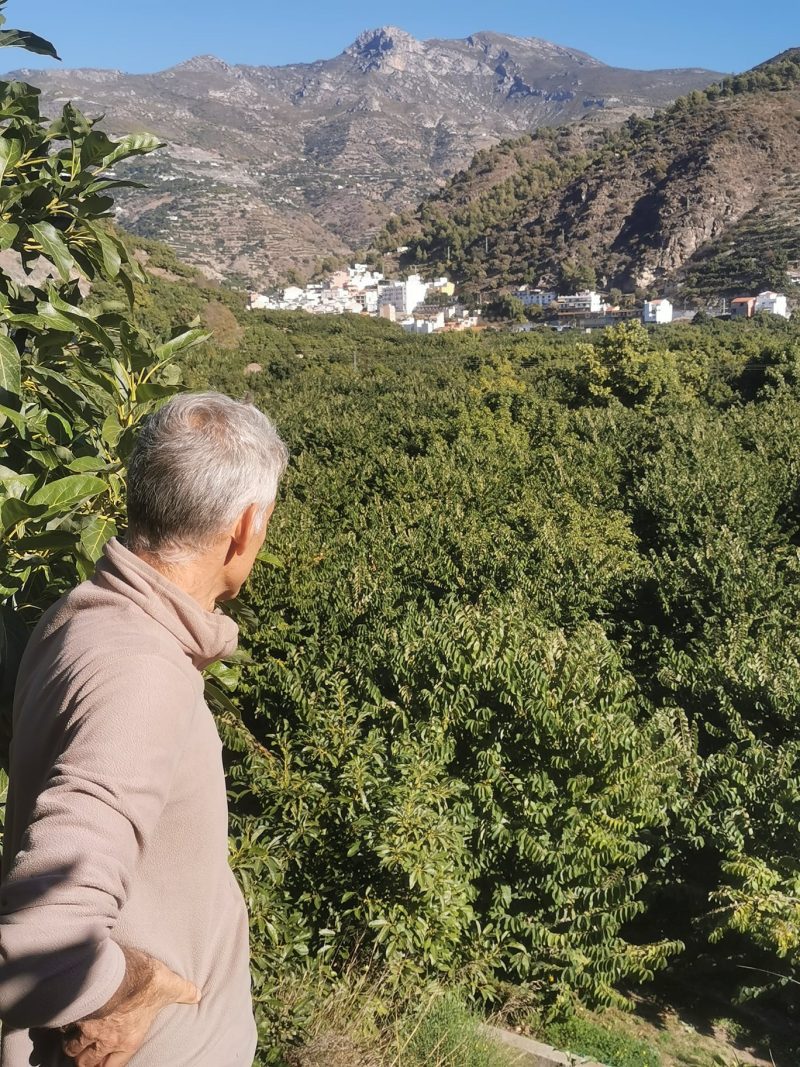
Perhaps the message here for repopulating the countryside is to forget about the bells and whistles of modern life, and more on the basics of why someone would want to live in the countryside in the first place. And most importantly, to solve the problem of how that could (financially) happen. José worked for 15 years in Madrid for a multinational, travelling to European capitals and living a comfortable life. Then he returned to his village and his father’s farm. Why?
“You cannot compare the quality of the work environment. When you work like us, farming ecologically, to have a healthier work environment then this would be difficult! I would never swap it back. Here I’m in my village, in a beautiful, healthy place – it’s really marvellous, there’s no comparison!”
With Josés crew of workers, not to mention the birds and insects that call his farm home, his fields are definitely full of life. With the maintenance of the ancient terraced fields and irrigation systems dating from Moorish times the landscape his farm makes up a part of is beautiful and productive. José has found a way to achieve this while being profitable. Or better, the profitability has allowed him to achieve this. As he keeps reminding us, for us to save the countryside the first thing we need is simple – small farmers need to be profitable. Nothing more.
Sign up to our Newsletter
We regularly post stories about the work of our members and the history of farming in Spain. If you would like to hear more of those stories, sign up to our email newsletter.
Before sending, please have a read of our privacy policy.
The Green Gold of Salty Soil
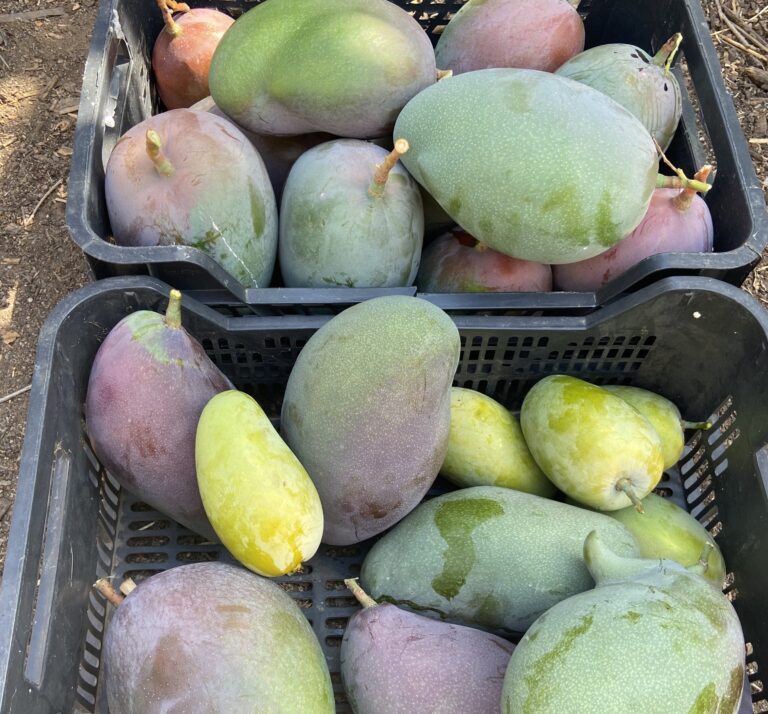
A brief lesson on mangoes
New product: ANCHOVIES!
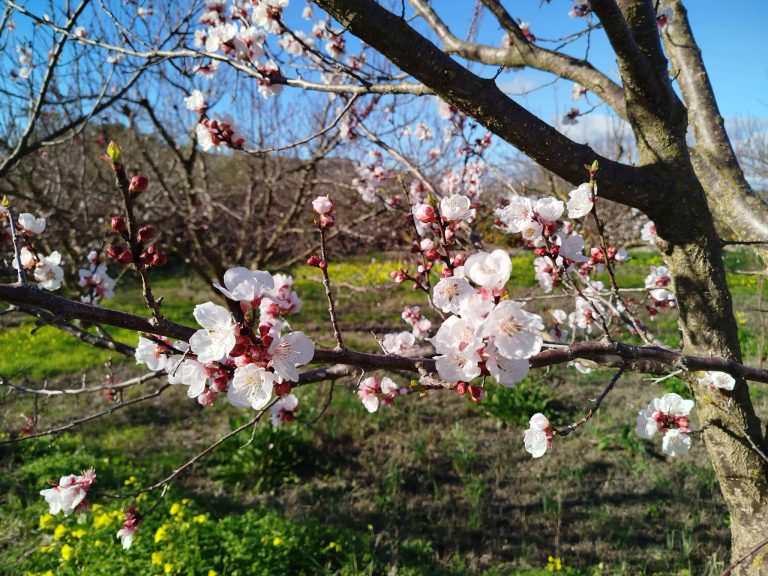
Spring in the Guadalhorce Valley
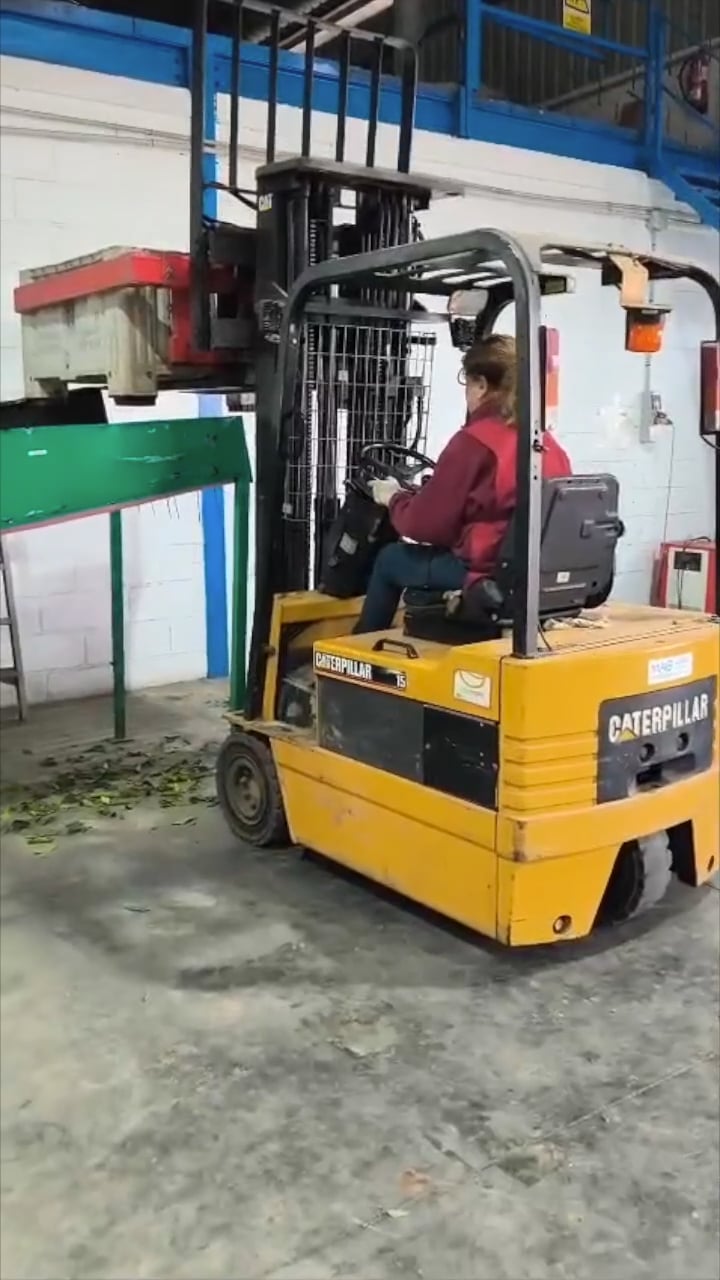
Interview with Montse (Biovalle) on International Women’s Day 2026